What a Forest Recording Can and Cannot Count
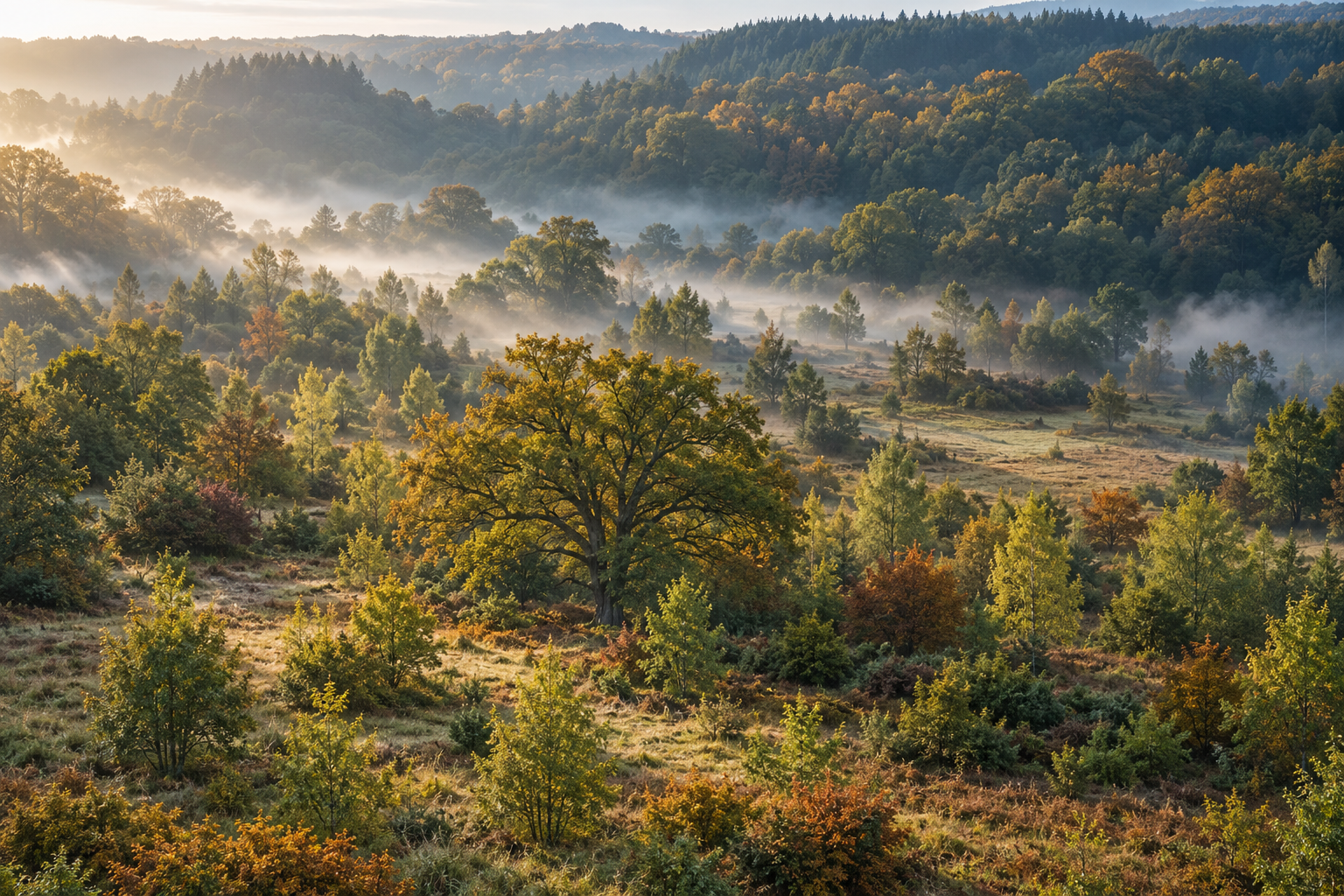
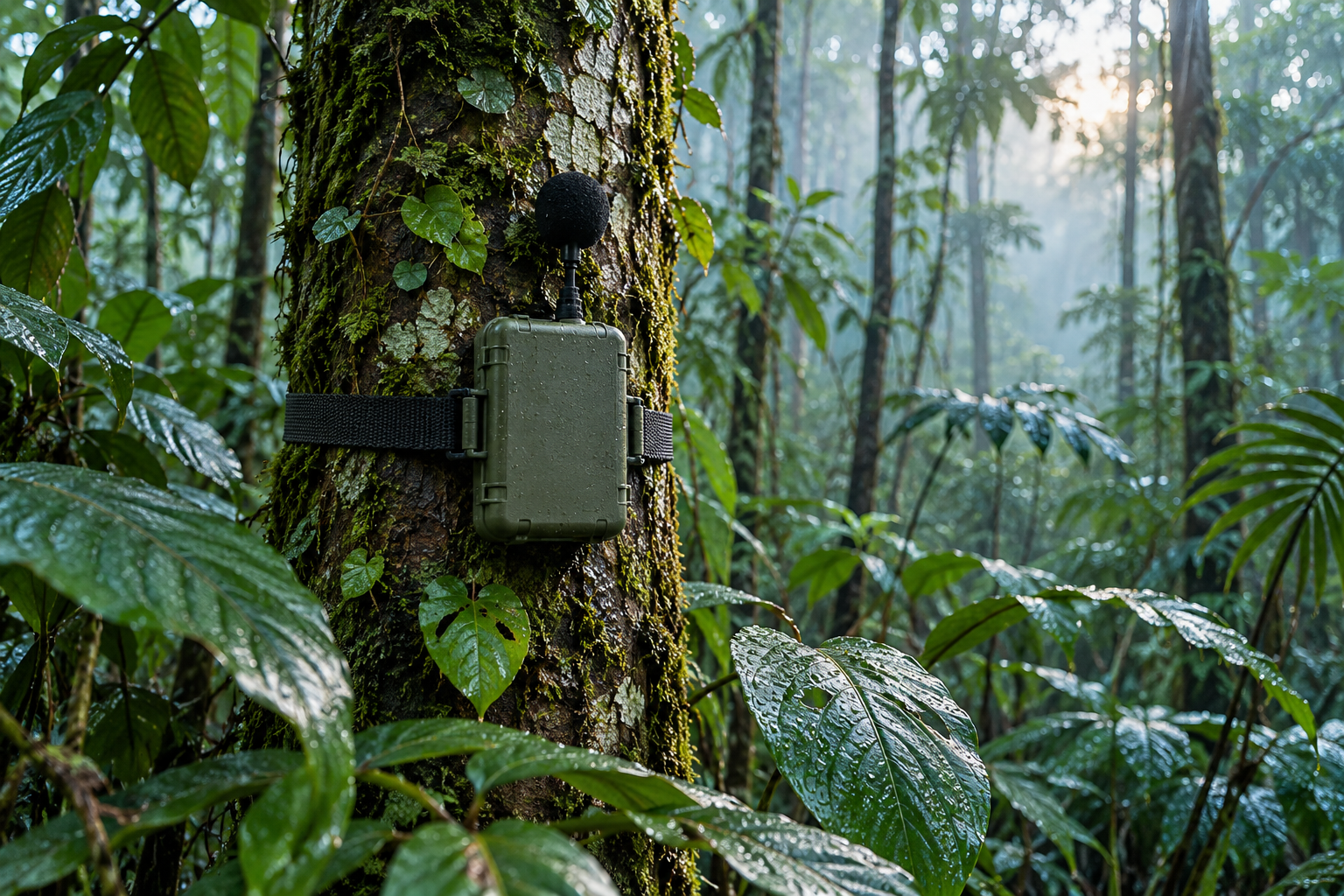
Acoustic monitoring can reveal recovery and community change, but a busy recording is not a universal species census.
About the author
I write about ecology and the natural world, with an interest in the processes that are easy to overlook: the changing life of deadwood, the history carried by environmental DNA, and the many clocks that shape spring.
At Living Systems Notebook, I follow primary research, compare methods and results, and keep the relationships between organisms and their surroundings at the center of the story.
Acoustic monitoring can reveal recovery and community change, but a busy recording is not a universal species census.
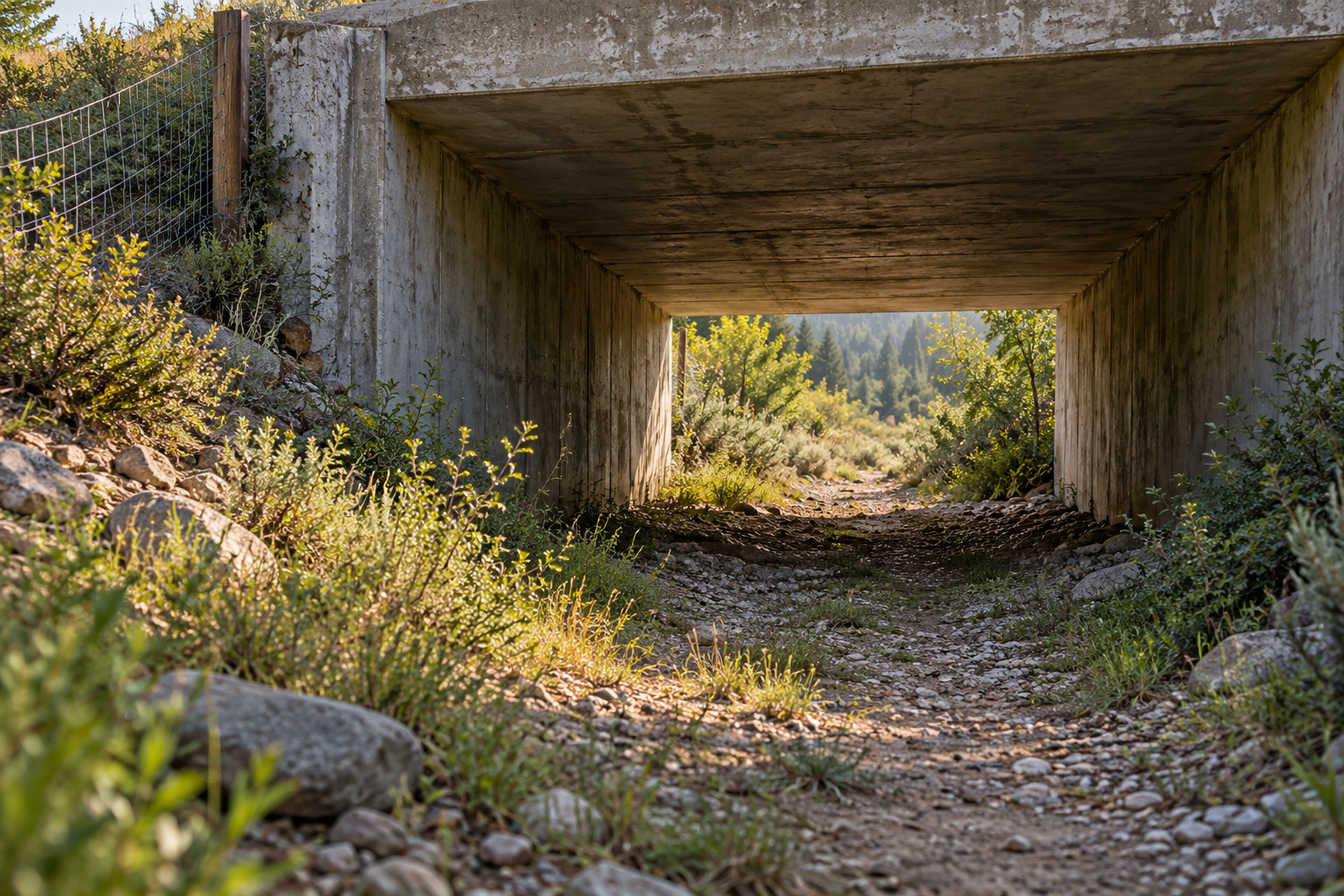
A green band on a map can end at one road or railway. Whether the route works depends on how animals reach the opening, cross it and continue beyond it—and on which result the project measures.
An earlier season can create extra generations, missed resources, or new exposure to weather. Timing needs an ecological outcome.
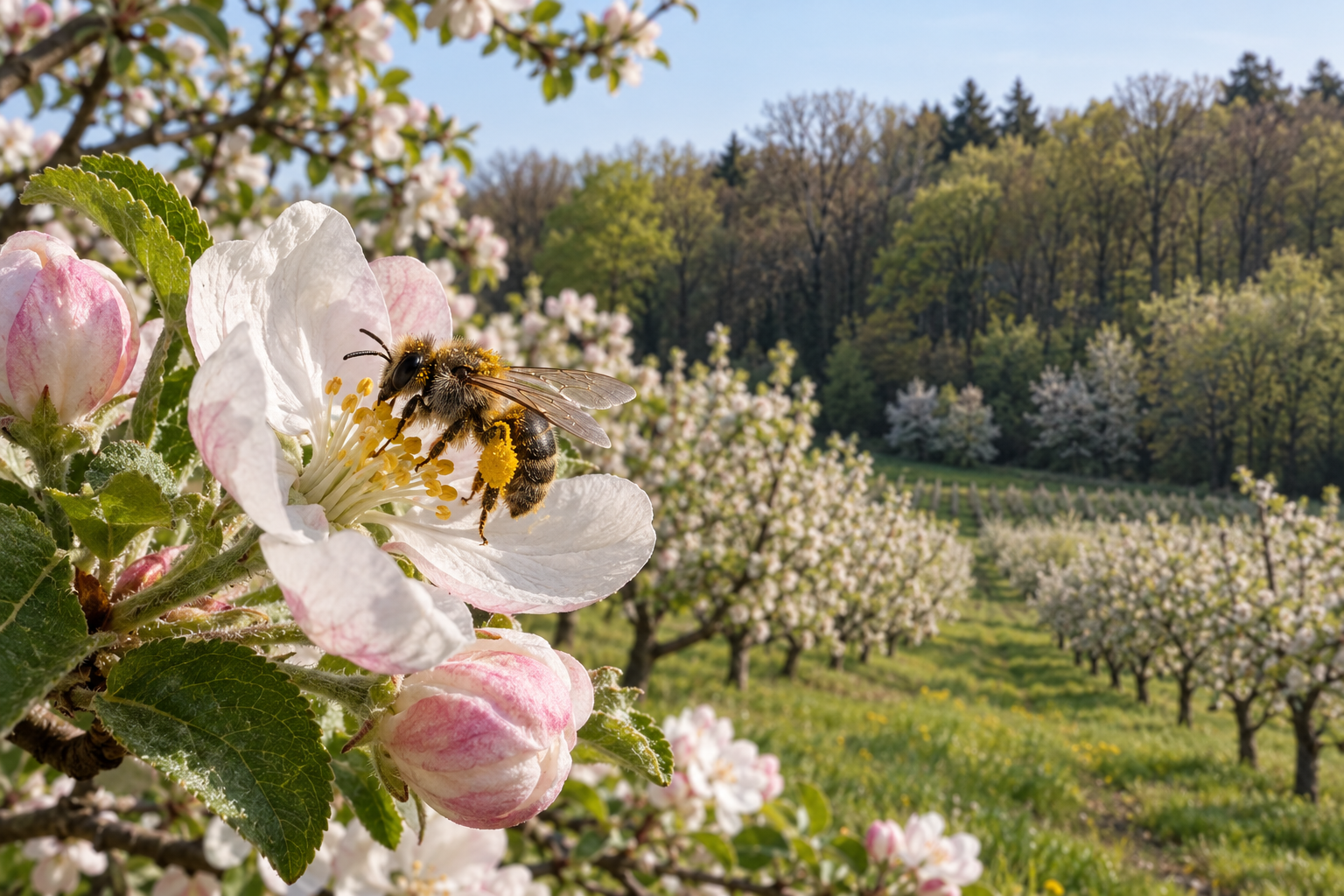
A bee can cross from forest to orchard in seconds. Gut pollen, body pollen, stigma deposits and fruit set reveal different parts of that journey—and cannot stand in for one another.
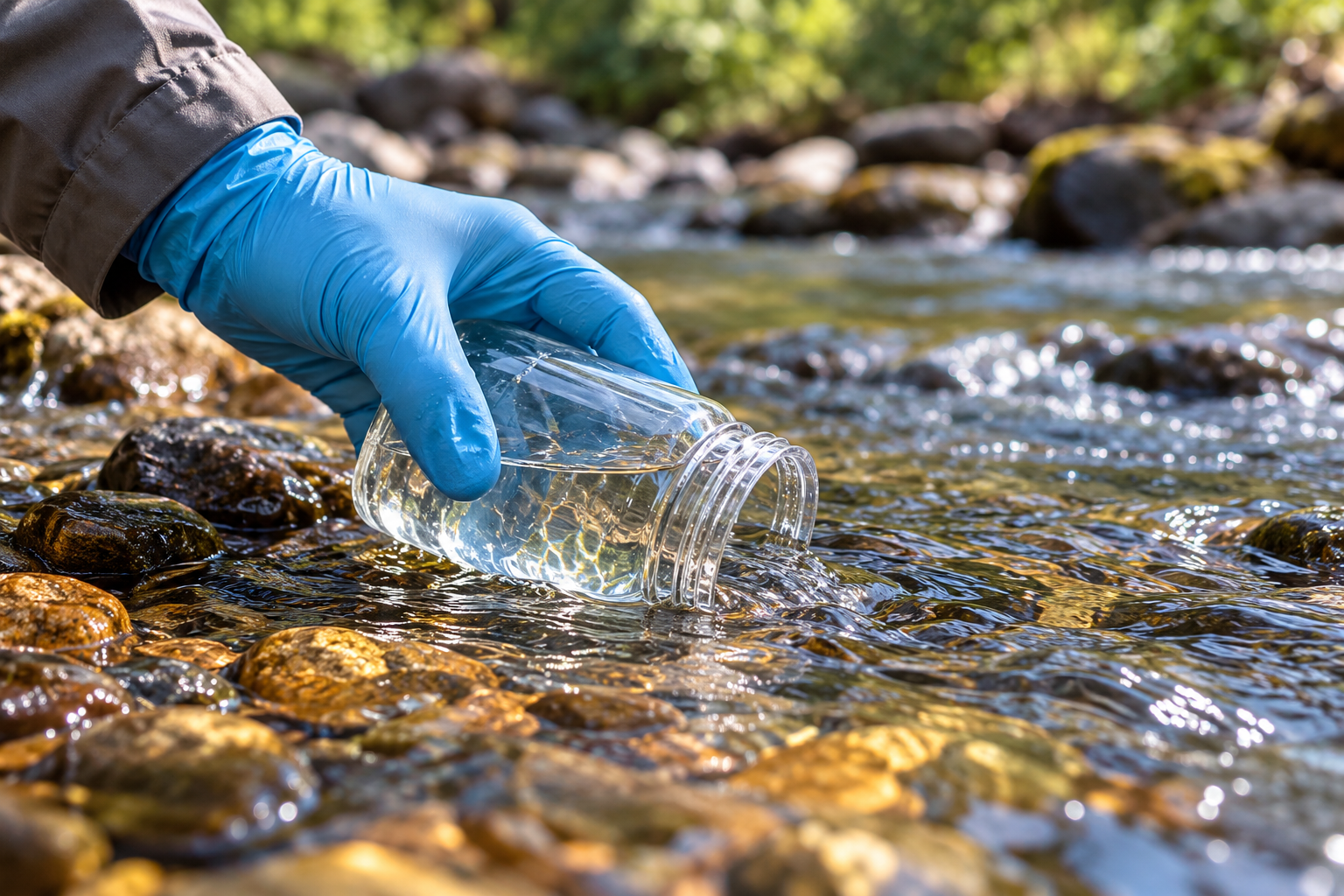
A river-water sample can reveal elusive life while carrying evidence from elsewhere. Its journey is part of the interpretation.
A reference ecosystem is a testable account of what can recover, not a frozen historical photograph.
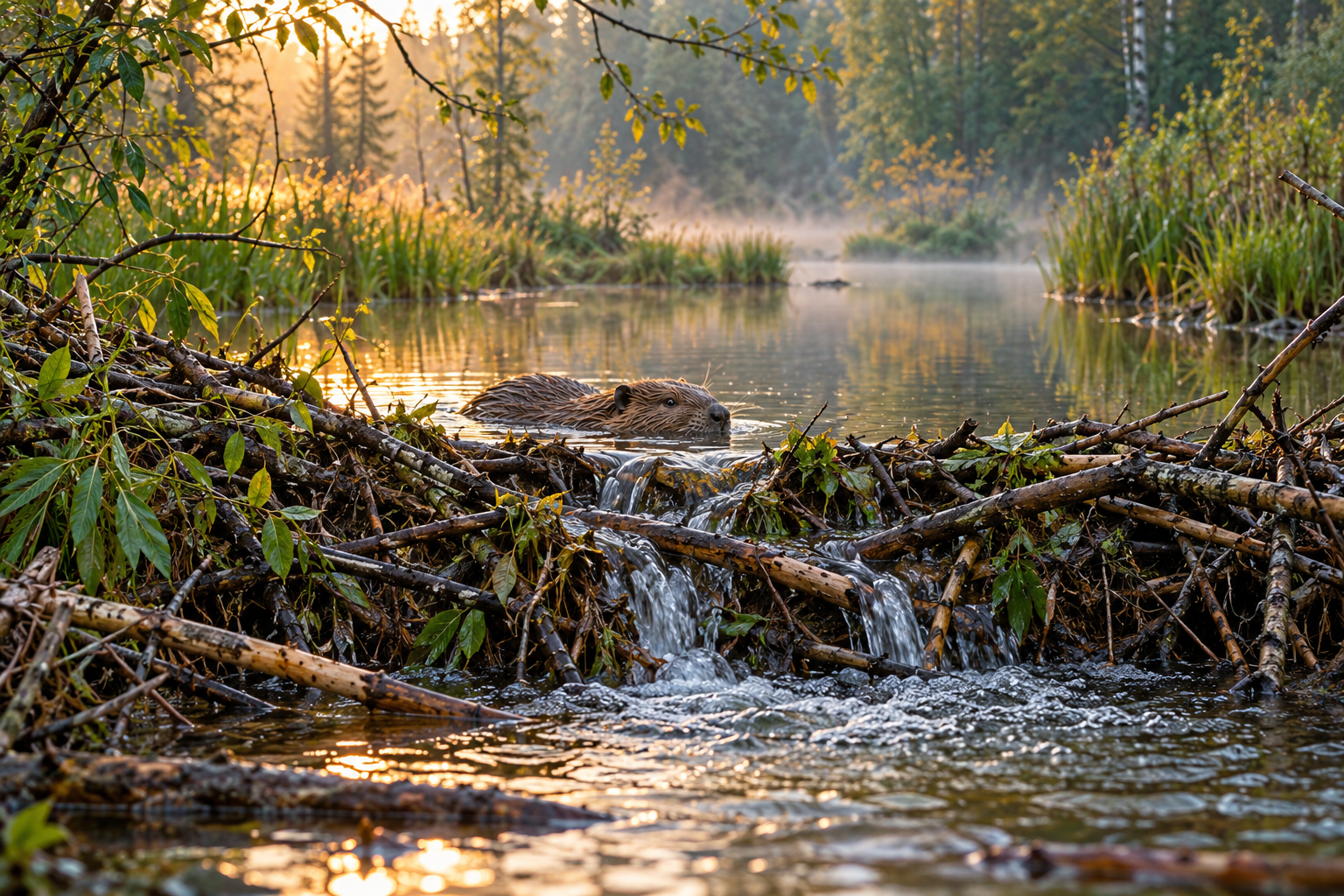
Beaver benefits become clearer when we distinguish storm peaks, subsurface chemistry, sediment stores, and catchment history.
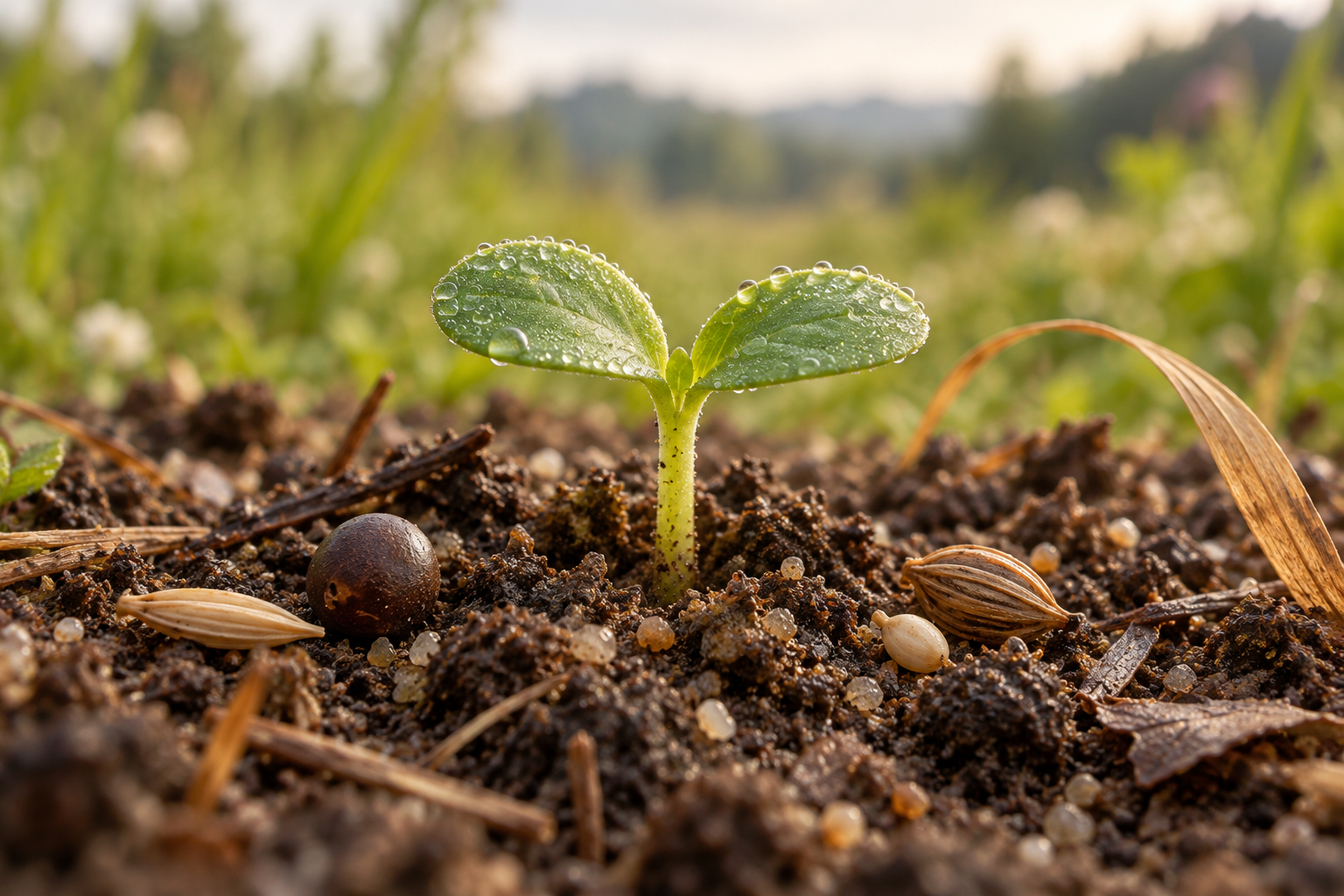
Underground seeds preserve selective possibilities. Restoration needs to discover which ones remain.
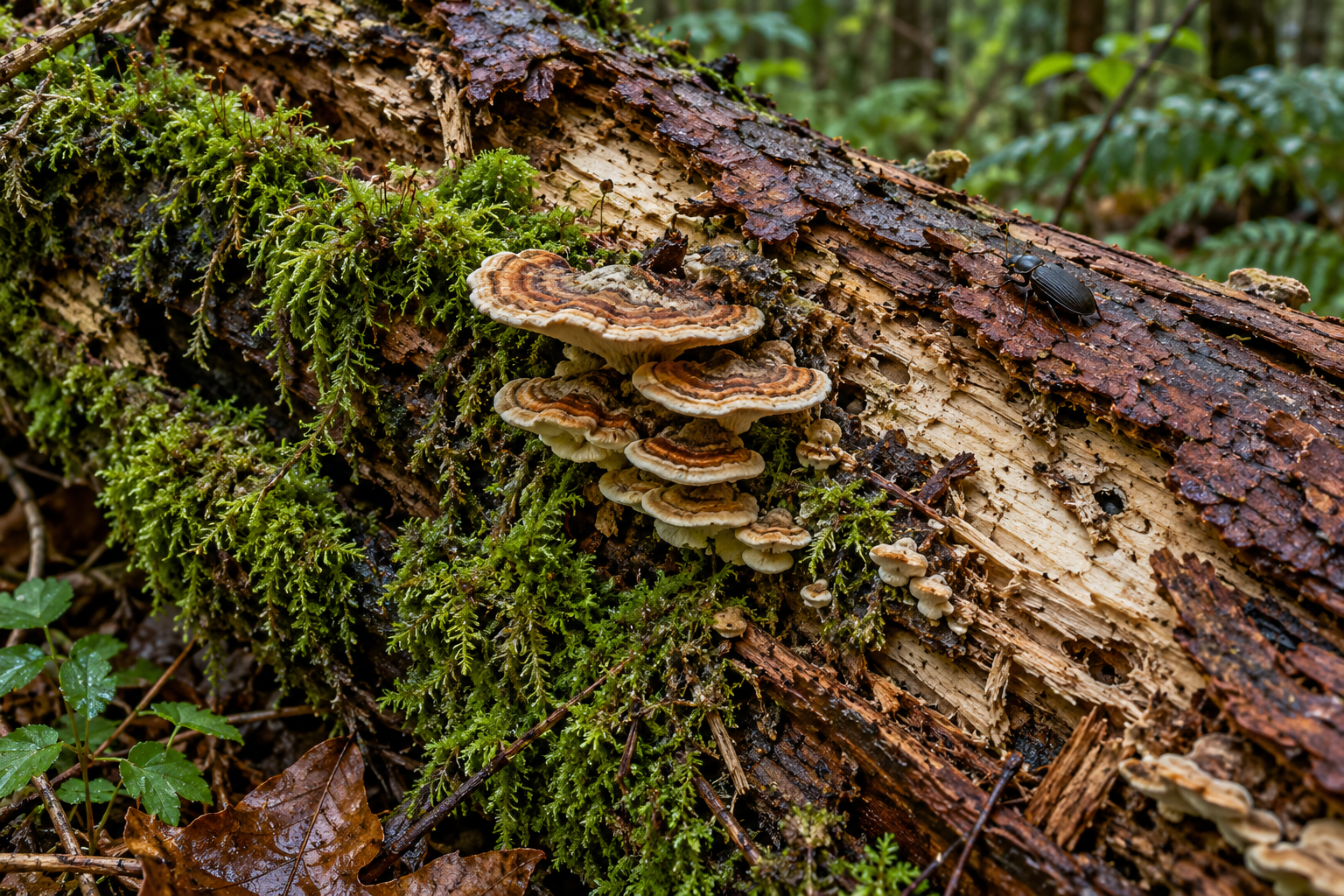
Deadwood holds carbon and changing habitats. Its organisms make the relationship more complex than a simple decay timer.
Fish passage, suitable habitat, sediment movement, and population persistence are different parts of river reconnection.
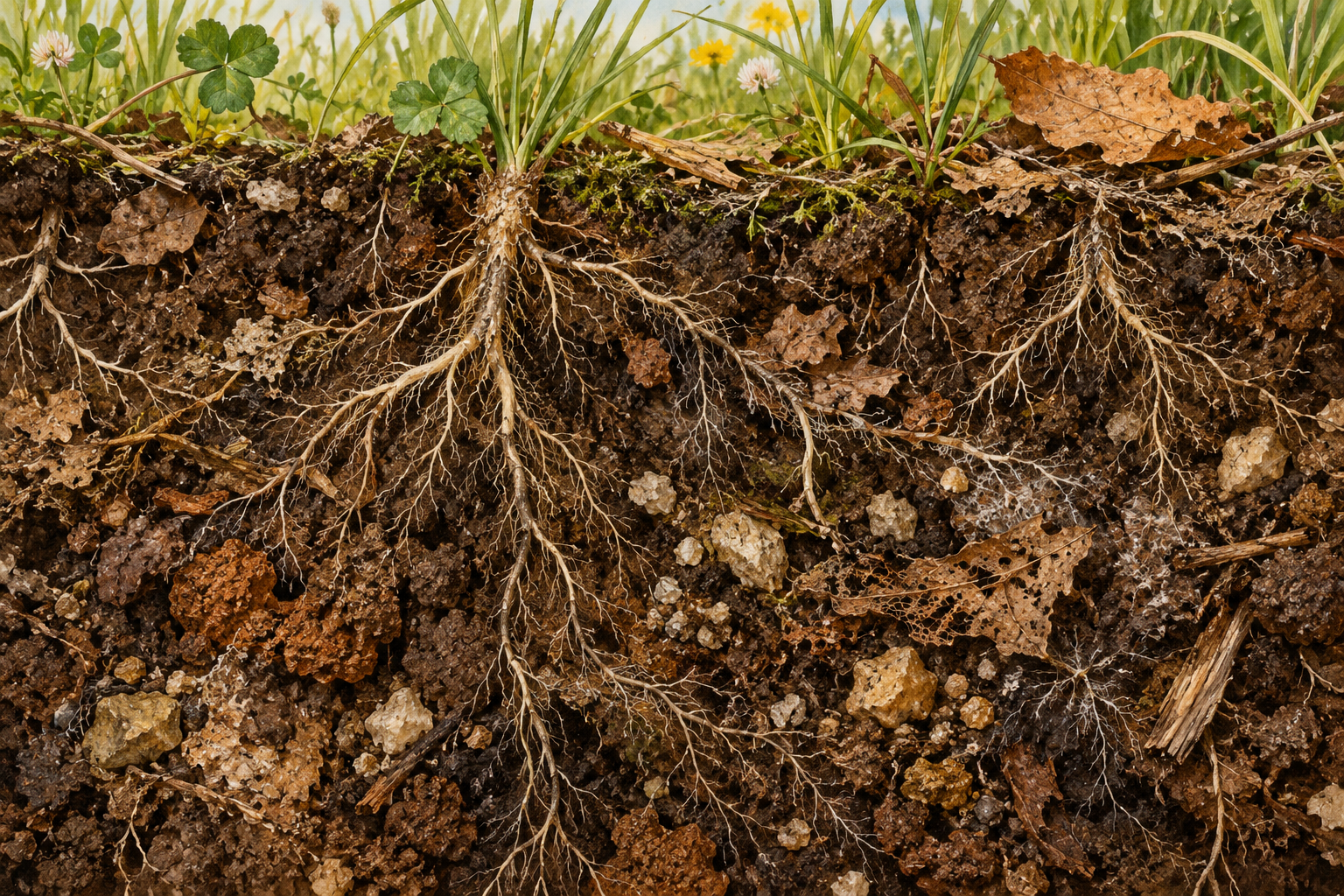
Microbial growth, mineral association, and continuing losses make soil carbon a trajectory rather than a passive deposit.
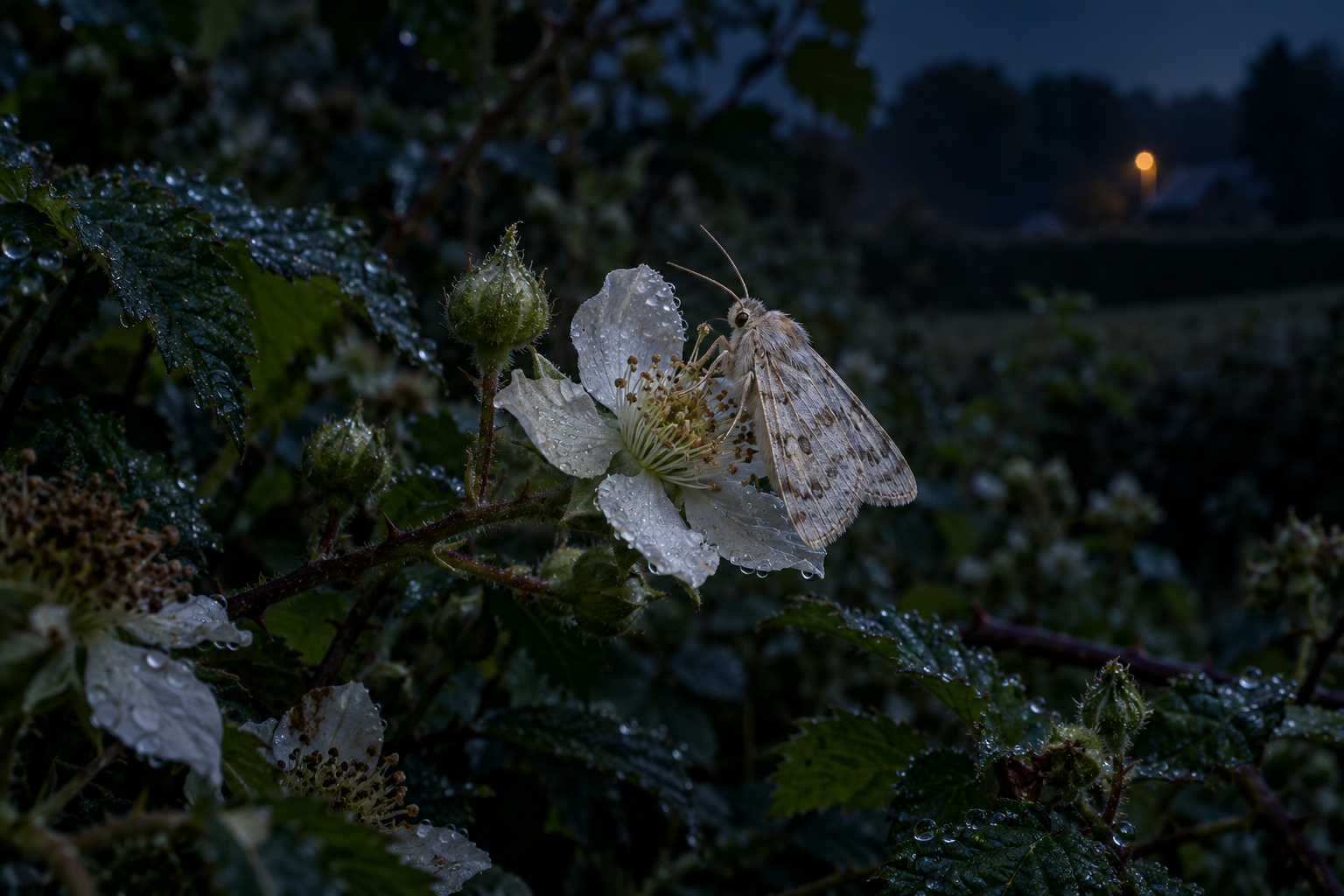
Night lighting changes ecological relationships that green-looking habitat can conceal, sometimes beyond the illuminated patch.