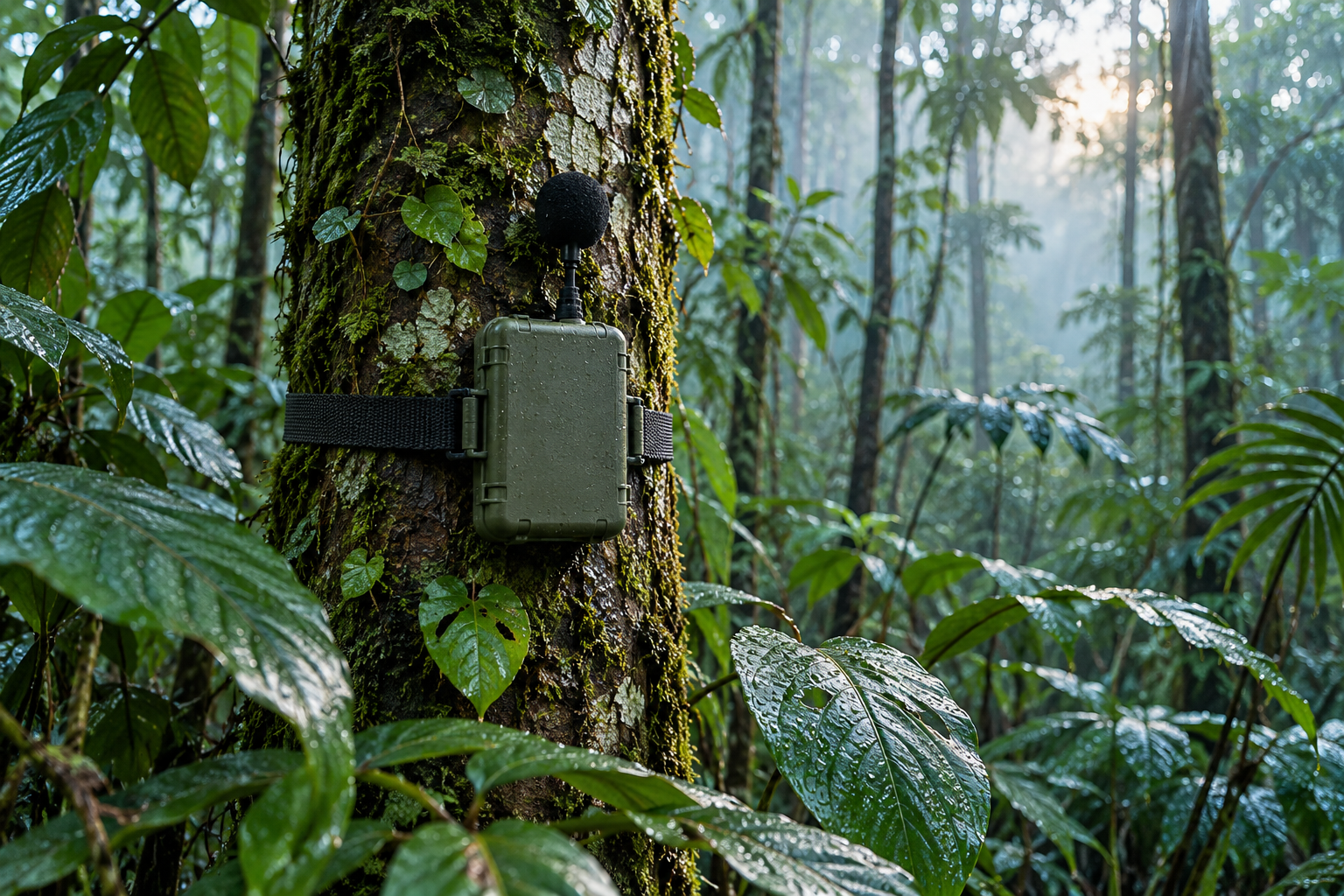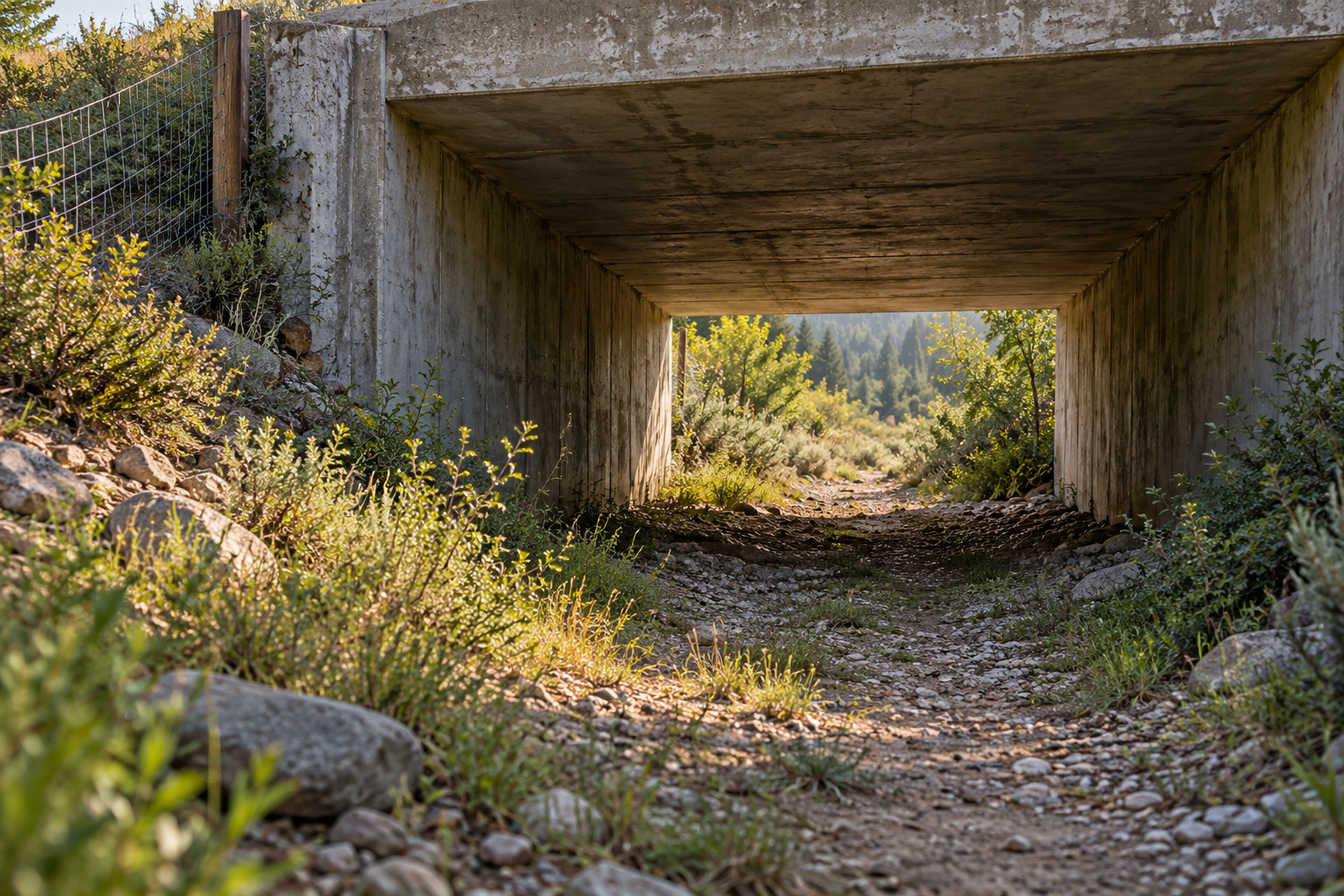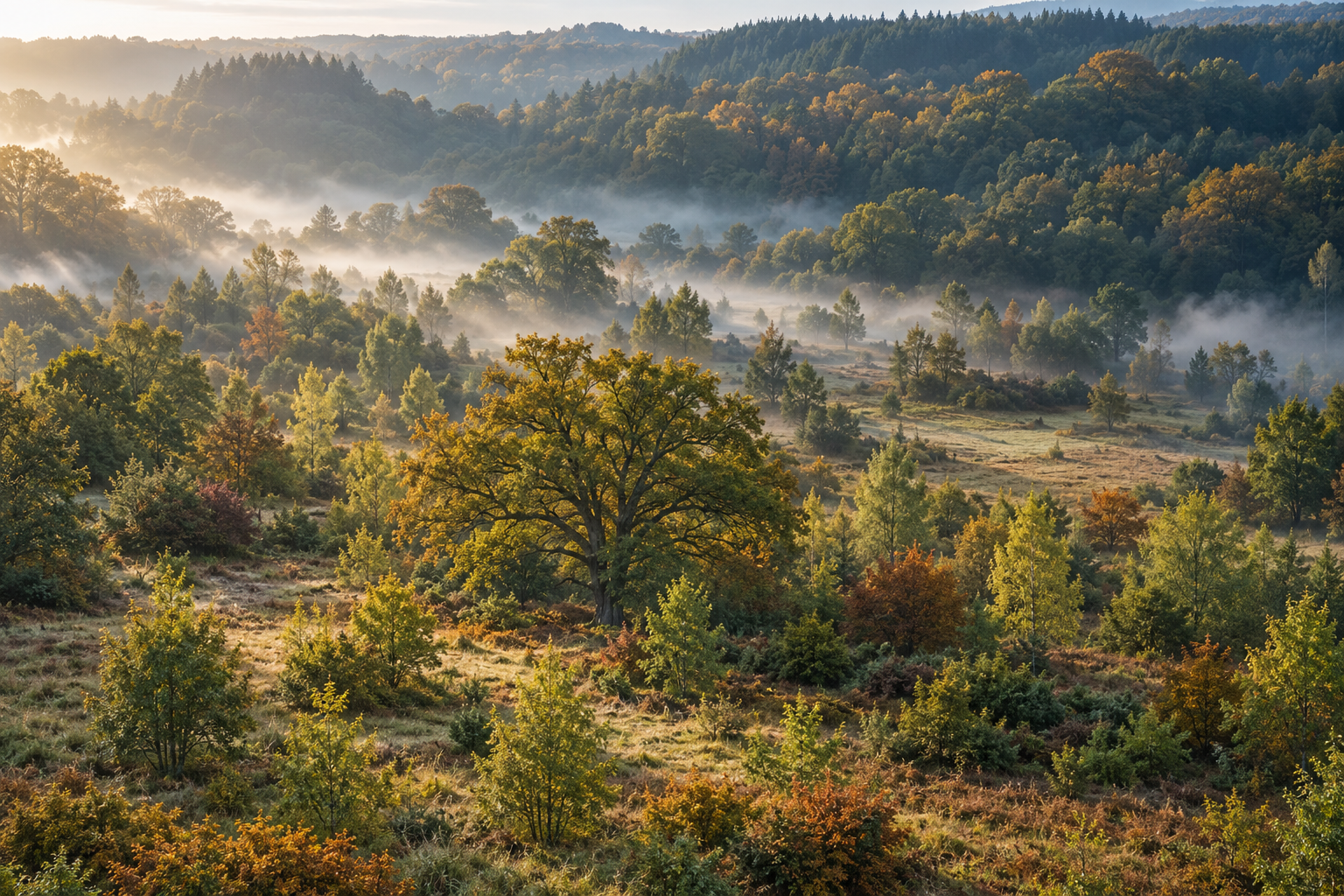
A photograph of a forest can show what a restoration project hopes to resemble. It cannot say whether the recovering soil supports the same processes, whether the trees are reproducing, or whether the animals that move their seeds can reach it. The image is useful evidence, but a poor specification.
This distinction matters because restoration is often described through an appealing visual transformation: bare ground becomes green. The ecological question is harder. Which living system is returning, by what route, and what would count as evidence that it can continue without repeated rescue?
The most useful target is therefore a reference model: an explicit account of the ecosystem being recovered, including variation and change. A reference model makes restoration more demanding than landscaping while also making it less dependent on reproducing a frozen historical scene.
A reference is an argument about a place
The Society for Ecological Restoration's third-edition international standards, published in 2026, describe reference models as guides to the high-integrity condition a native ecosystem would exhibit without degradation. They allow for background environmental change. Several reference sites and other evidence are preferable to treating one surviving patch as a complete template.
That approach resolves a common false choice. Historical evidence need not be discarded because the climate has changed. Nor must every species found in one old survey become an unconditional promise about the future. History tells us about lost possibilities, past disturbance, and the extent of degradation. Present conditions help determine which recovery pathways remain available.
Consider an imagined floodplain whose river has been disconnected by embankments. Planting the historically recorded trees may be useful, but their survival alone cannot demonstrate floodplain recovery. The proposal must also explain water access, sediment movement, recruitment, and the relationship with the channel. A target that names only trees would leave the central cause of ecological change outside the assessment.
This is an inference from the reference-model approach, rather than a prediction for every floodplain. Its practical virtue is that it exposes assumptions before money and land are committed. If restoring seasonal inundation is impossible, the project can say precisely which ambitions are constrained instead of hiding the constraint inside a photograph.
Recovery has several clocks
A large study of tropical forest succession offers a particularly clear reason to resist a single restoration score. Poorter and colleagues compiled chronosequence data from 77 sites across the lowland Neotropics and West Africa. Their analysis of twelve forest attributes found very different recovery times. Measured soil properties approached old-growth values much sooner than biomass and species composition. Similarity in the identity and relative importance of tree species was among the slowest dimensions.
The crucial qualification is methodological. A chronosequence compares forests of different ages rather than watching every plot develop over a century. Sites must be sufficiently comparable for age differences to reveal recovery. The dataset mostly represented relatively light to moderate previous land use, so its rapid soil recovery cannot be pasted onto severely eroded or repeatedly cultivated land.
Even within those limits, the study changes how a claim should be phrased. A young secondary forest can be valuable and recovering strongly while remaining compositionally different from old growth. Calling it either a failure or a replacement would erase information. The relevant description includes what has returned and what has not.
An early gain also cannot purchase indifference to a slower process. If a project reports canopy cover each year, it may become excellent at detecting canopy recovery and remain nearly blind to regeneration, large-tree development, or the return of particular ecological relationships. Monitoring creates an institutional field of vision. The easiest variable to measure should not quietly become the definition of success.
Better than degraded is a different comparison
Crouzeilles and colleagues' global analysis of forest restoration compared restored forests with both degraded and reference systems across 221 study landscapes. Restored systems generally improved biodiversity and vegetation structure relative to degraded ones while still falling short of reference conditions. Outcomes also depended on the attribute assessed, elapsed time, and disturbance history.
These comparisons answer two different questions. Comparing a site with its damaged starting condition asks whether improvement occurred. Comparing it with a suitable reference asks how much of the recovery task remains. A project needs both. Otherwise, a large improvement from an extremely poor baseline can be mistaken for near-complete recovery, or substantial progress can be dismissed because full recovery has not yet arrived.
The analysis also illustrates the limits of broad evidence. Coarse land-cover data and aggregated measurements restricted what it could establish about landscape configuration. Failure to identify a strong landscape effect in such a dataset does not establish that a particular seed source, corridor, or barrier is irrelevant at a particular site.
For a reader evaluating restoration claims, a useful discipline is to ask what the comparison actually is. Has the project improved since treatment? Has it improved more than untreated sites? Has it approached a credible reference? Those statements require different evidence, even when they appear beneath the same photograph.
Keep the target accountable as conditions change
An adaptive reference model can be misused. If managers redefine the target whenever recovery is disappointing, flexibility becomes a mechanism for declaring victory. The opposite problem is an immovable target that demands an ecosystem no longer supportable under changed physical conditions. Neither approach helps living organisms.
A better practice is to keep a record of why a target changes. New climate evidence, an unexpected hydrological constraint, or a newly understood historical condition should be distinguished from inadequate implementation. Original goals should remain visible alongside revised ones. This is an editorial proposal about accountability, not a universal statistical rule, but it follows directly from treating the reference model as a testable argument.
The 2026 standards' emphasis on separate ecosystem attributes supports this approach. A project can recognize progress in physical conditions while documenting a persistent gap in species composition. One label does not need to conceal both results.
Restoration becomes more credible when it can tolerate such mixed sentences. The soil is improving; the desired plants are recruiting; some species remain absent; the neighboring landscape still limits recovery. These are useful findings because they point toward the next decision. A before-and-after picture gives us a moment of recognition. A carefully maintained reference model gives the recovering place a longer future against which our work can be judged.
A thought worth keeping?